Letter Underscores Dangers of Lab-Made Opioids, Bolstering Call for Federal Ban
WASHINGTON, D.C. — The Stop Gas Station Heroin coalition today commended the publishing of a new case report in Clinical Toxicology that underscores the dangerous and potentially lethal effects of concentrated synthetic 7-hydroxymitragynine (7-OH) opioid products.
In a letter to the editor of the peer-reviewed medical journal, the authors reported the case of a 29-year-old man with a history of opioid use disorder, who consumed concentrated synthetic 7-OH opioid products as a form of alternative treatment due to financial constraints.
The patient “presented to the emergency department following cardio-pulmonary arrest,” the authors wrote, and received roughly 10 minutes of CPR after being found unresponsive. According to the case report, “he was successfully revived with two doses of naloxone 4 mg intravenously.”
After being revived, the patient vomited and reported that he had ingested approximately four high-potency tablets (190 mg) of concentrated synthetic 7-OH “to get ‘high’ while intoxicated,” according to the case report.
Dr. Christopher McCurdy of the University of Florida, a co-author of the case report, said the patient “would likely not have survived” had he not been treated with naloxone. Sold under the brand name Narcan, the medicine is used to rapidly reverse overdoses from opioids such as heroin and fentanyl.
The patient’s case “offers clinical evidence of opioid-like respiratory depression and arrest” following an overdose from concentrated synthetic 7-OH, the authors wrote, and their findings “highlight the need for greater regulatory scrutiny and clinical awareness” of lab-made opioids.
“This alarming case report, compiled by medical professionals and subject matter experts, makes clear the harm that concentrated synthetic 7-OH opioid products pose to communities across the country,” said David Bregger, Executive Director of Stop Gas Station Heroin.
“The only way to prevent more emergency room visits and life-threatening overdoses is with a federal ban on these hyperpotent, lab-made products that are being illegally sold as a ‘safe alternative’ to prescription opioids,” Bregger said. “We urge the Drug Enforcement Administration to protect American consumers by making concentrated synthetic 7-OH a Schedule I substance.”
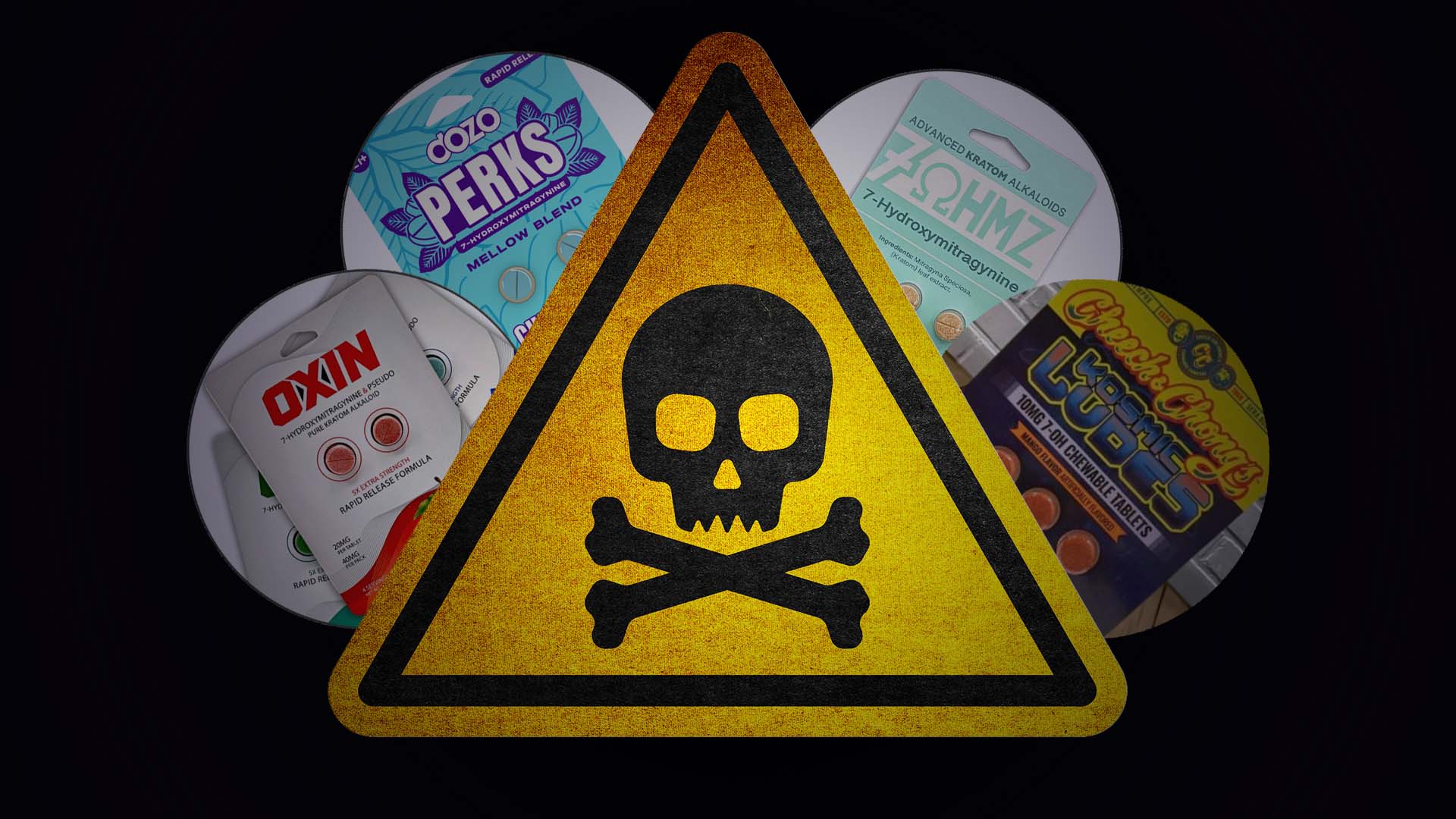
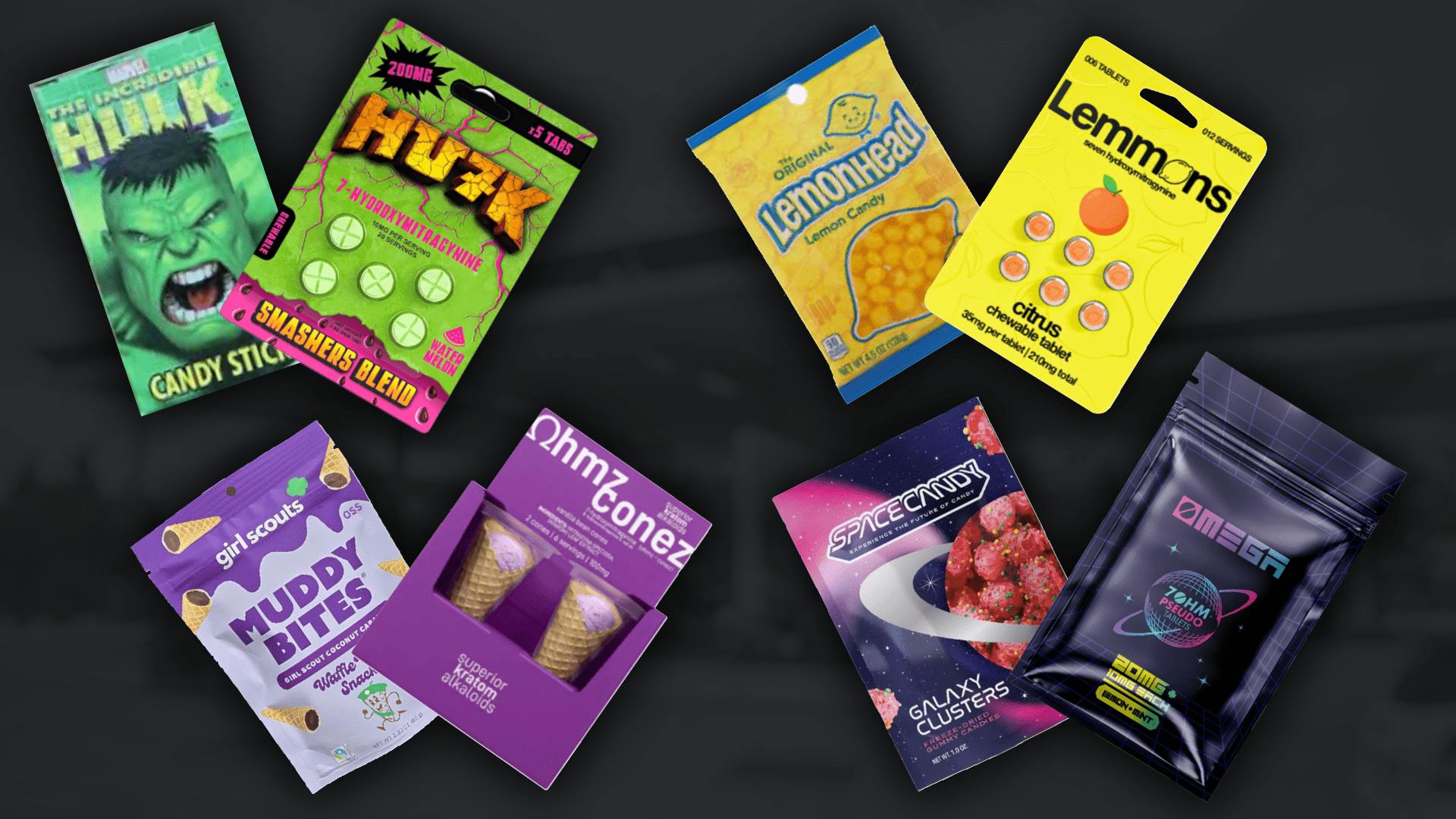
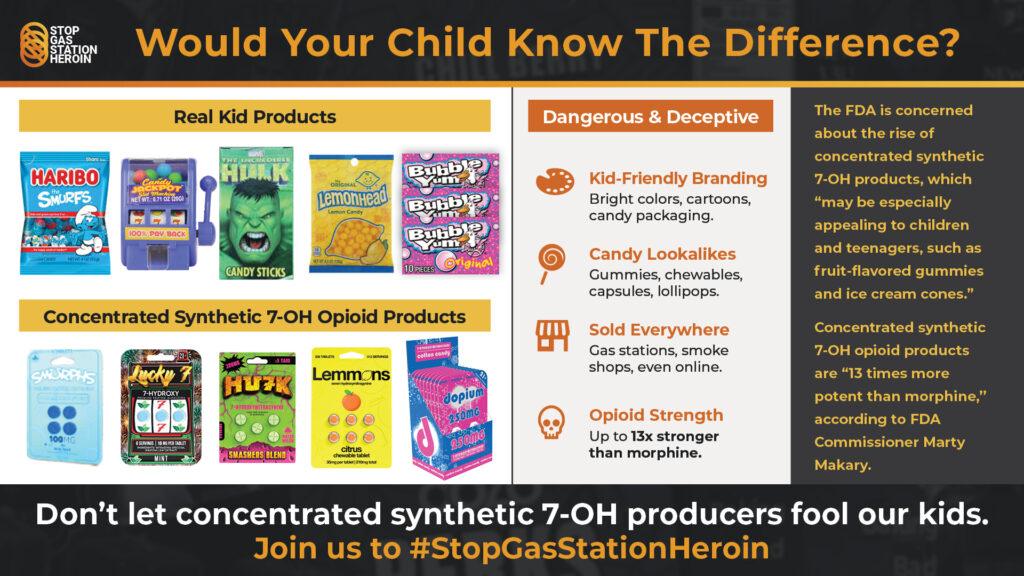
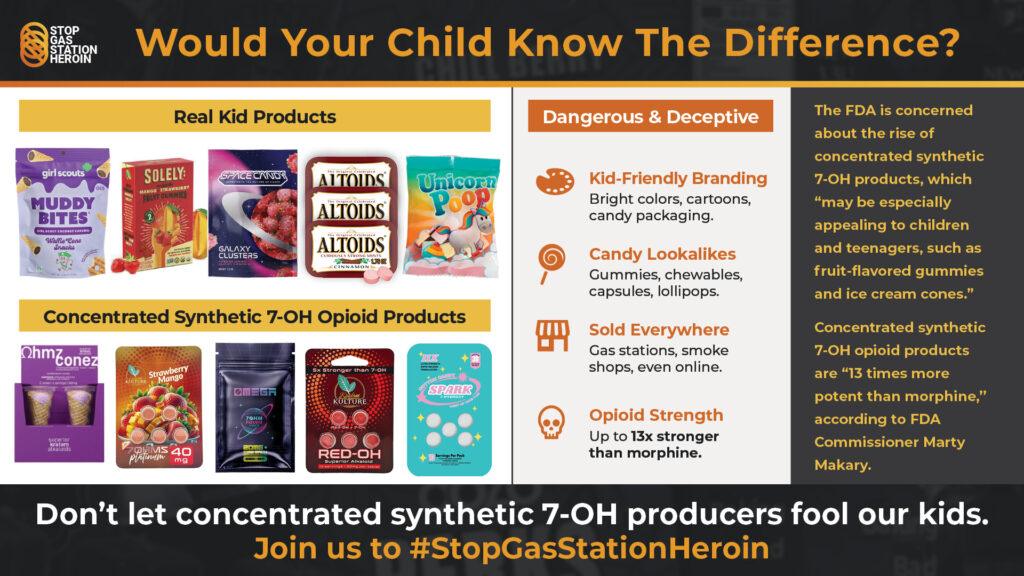
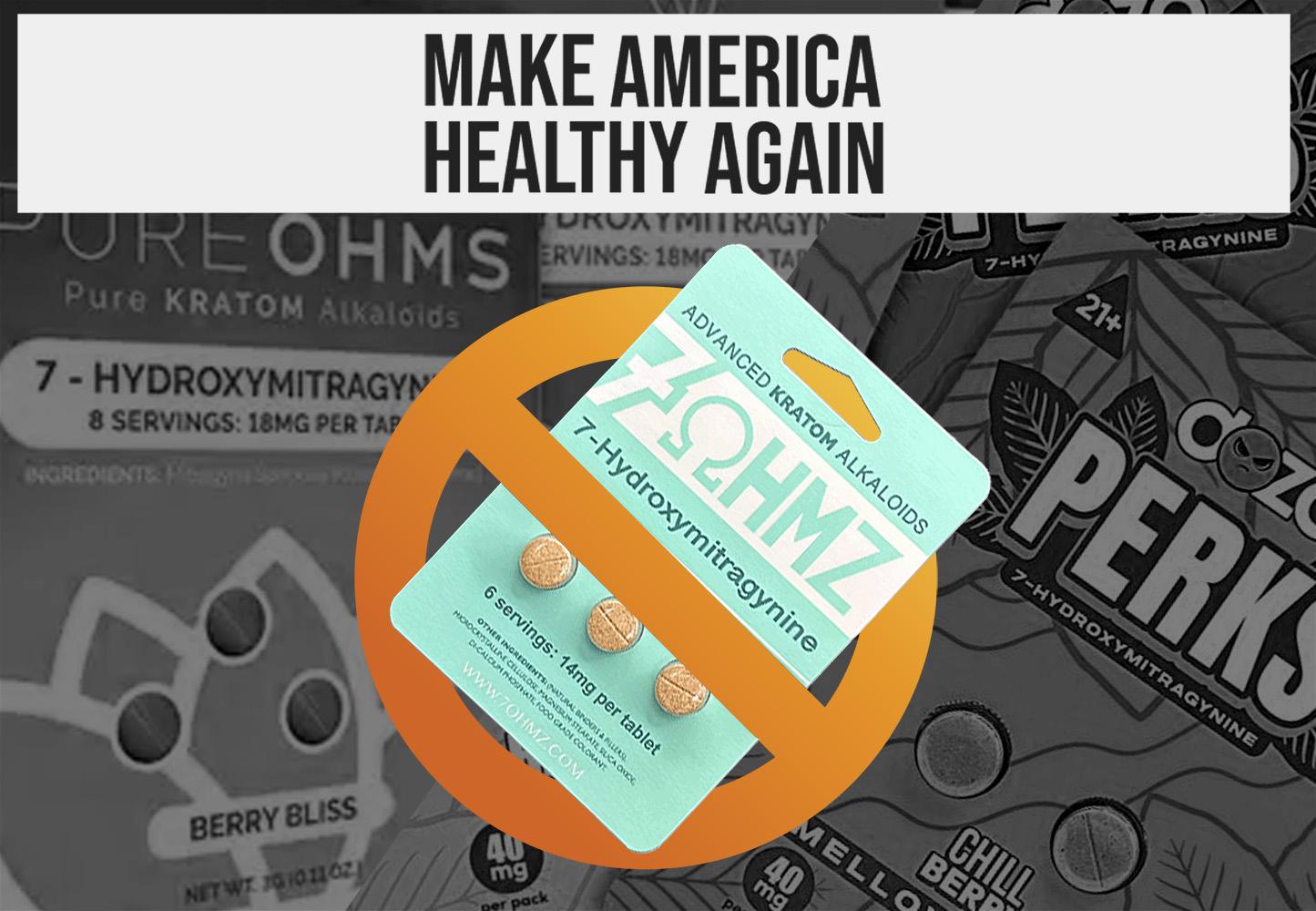
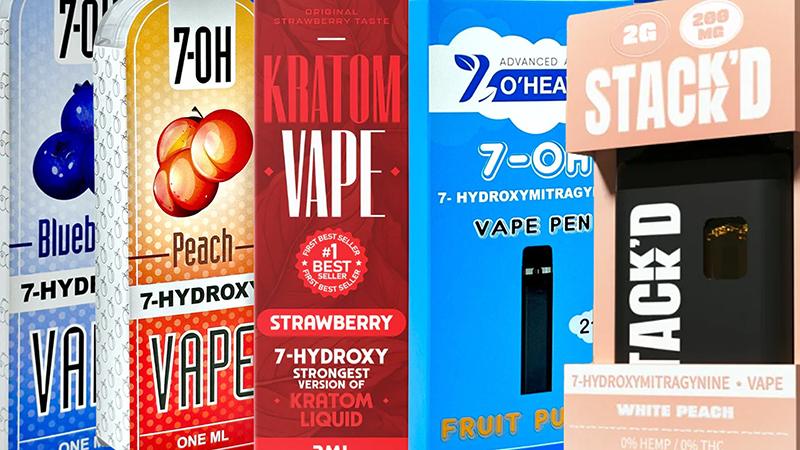
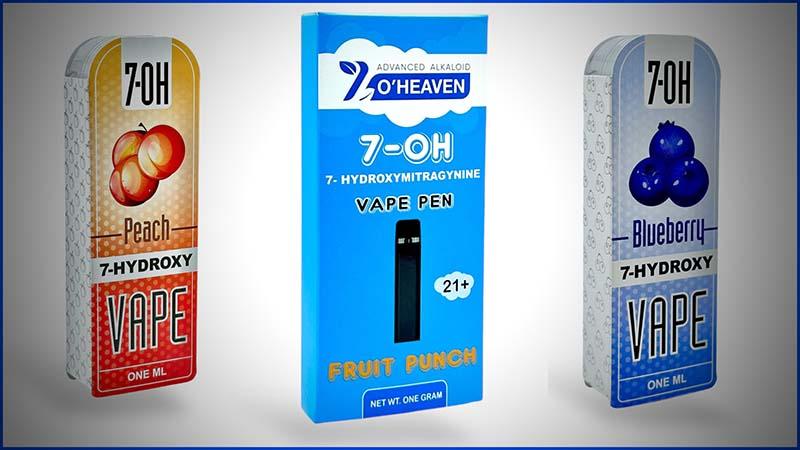
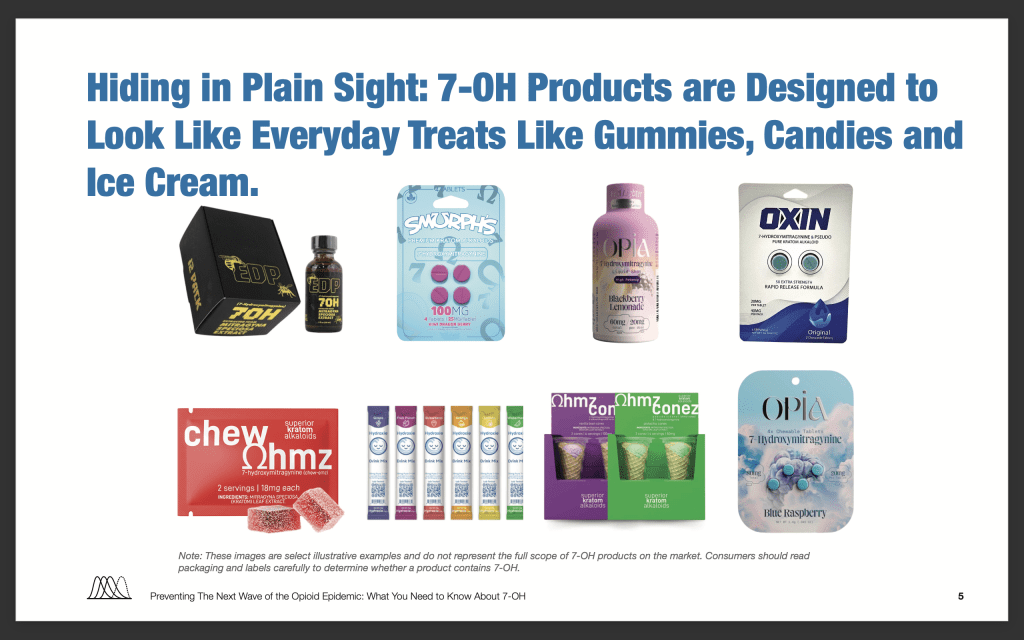
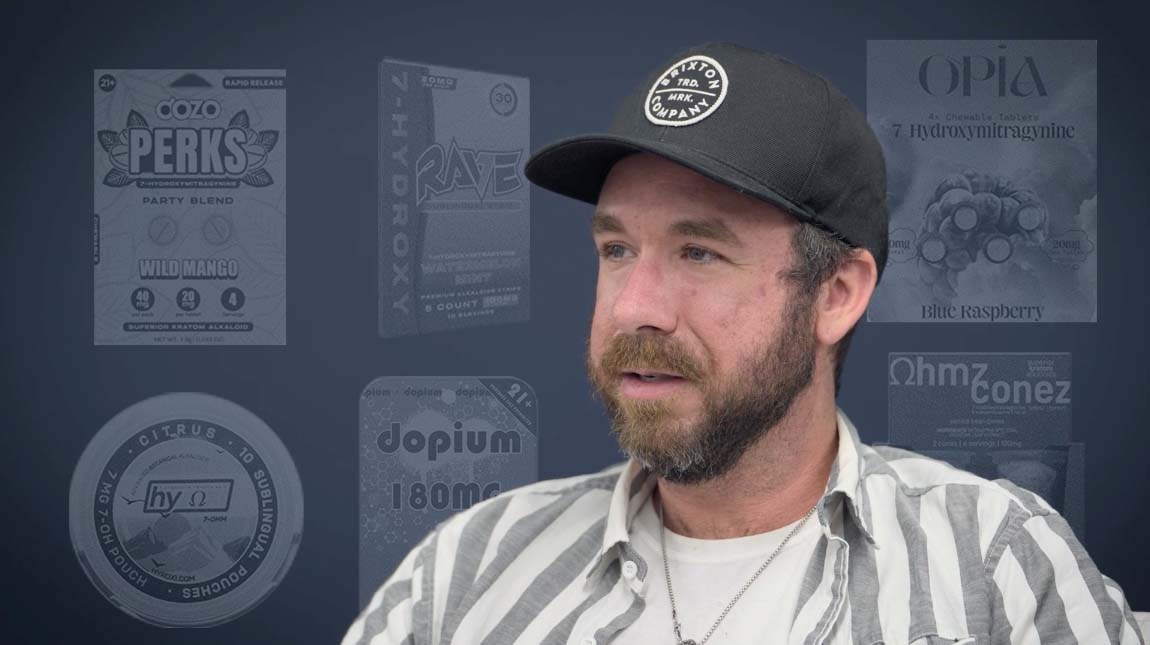
Concentrated synthetic 7-OH opioids are being disguised in packaging that looks just like everyday candy — gummies, mints, even ice cream cones. These aren’t harmless snacks. They’re lab-made opioids the FDA warns may be up to 13 times stronger than morphine.
Yet they’re being sold openly in gas stations, smoke shops, and online — putting kids and families at risk.
We need stronger protections, better enforcement, and more awareness to stop these deceptive products from reaching our communities.
Federal Strategy Recognizes the Severe Risks of Foreign Concentrated Synthetic7-OH Opioids Sold in Gas Stations and Convenience Stores Nationwide
WASHINGTON, D.C. — Stop Gas Station Heroin today applauded the U.S. Department of Health and Human Services (HHS) for explicitly naming concentrated synthetic 7-hydroxymitragynine (7-OH) opioid products in its Make Our Children Healthy Again Strategy. The inclusion marks a critical milestone in efforts to confront a growing public health crisis caused by foreign lab-made synthetic 7-OH opioids flooding American neighborhoods.
Concentrated synthetic 7-OH opioid products are not natural. While naturally occurring 7-OH occurs only in trace amounts as a metabolite of dried kratom leaf, the synthetic versions being sold at gas stations, smoke shops, and convenience stores across the country are manufactured by bad actors who chemically manipulate the plant extract with harsh agents like pool shock and ethyl acetate. The result is a supercharged opioid up to 13 times stronger than morphine — a drug that quickly drives addiction, debt, and despair.
Many of these products are disguised as candies, gummies, drink mixes, or wellness aids, sold with no meaningful age restrictions or safety safeguards. Their colorful packaging and candy-like marketing make them especially dangerous to children and families.
The Strategy’s recognition of concentrated synthetic 7-OH builds on the U.S. Food and Drug Administration’s recent recommendation to classify these substances under the Controlled Substances Act. Crucially, the FDA made it clear to distinguish that its action is targeted at concentrated synthetic 7-OH opioid products and not at the natural kratom leaf, which has been used safely for centuries and remains outside the scope of this recommendation.
“HHS has sent an urgent message: concentrated synthetic 7-OH opioid products have no place in our communities,” said David Bregger, Executive Director of Stop Gas Station Heroin. “By calling out the deceptive marketing and unregulated sale of these engineered narcotics, the administration is prioritizing the safety of children and families nationwide.”
Stop Gas Station Heroin continues to urge the Drug Enforcement Administration to take the next step in keeping Americans safe by formally scheduling synthetic 7-OH and its analogues as Schedule I controlled substances.
Joint Enforcement Operation Removes Hundreds of Thousands of Harmful Products From Store Shelves in Six States
WASHINGTON, D.C. — The Stop Gas Station Heroin coalition today applauded Attorney General Pam Bondi and Health and Human Services Secretary Robert F. Kennedy Jr. for their joint enforcement action targeting distributors and retailers selling illicit vaping products — including those containing concentrated synthetic 7-hydroxymitragynine (7-OH).
The large-scale operation, conducted across six states, resulted in the seizure of hundreds of thousands of illegal items, many of which are infused with concentrated synthetic 7-OH — a foreign lab-made, highly concentrated compound up to 13 times stronger than morphine. The mass seizure comes as federal health officials and several state attorneys general have grown increasingly vocal in their warnings about the threats posed by synthetic 7-OH, most recently in Montana.
7-OH is a metabolite that occurs in only trace amounts upon drying of kratom leaf. But the synthetic 7-OH opioid products being sold in gas stations, smoke shops, and convenience stores across the country are not natural. Instead, they are the result of bad actors manipulating the plant extract with harsh chemicals like pool shock and ethyl acetate to supercharge it into an opioid drug that is marketed towards our most vulnerable populations.
“Today’s federal enforcement action marks a critical step toward shutting down the pipeline of synthetic drugs devastating families and communities across the country,” said David Bregger, Executive Director of Stop Gas Station Heroin. “For too long, these products have been disguised as candies, dietary supplements or wellness aids, while they’re actually engineered to mimic hard narcotics. By targeting distributors and retailers, the government has sent a clear message: This public health crisis will not be tolerated.”
Families nationwide have shared their stories of loved ones becoming hopelessly addicted to concentrated synthetic 7-OH within days — racking up debt, hiding use, and suffering painful withdrawals. Unlike natural kratom leaf, a centuries-old botanical which many report using responsibly for years, concentrated synthetic 7-OH quickly drives a desperation and dependence that rivals pharmaceutical opioids.
“This is a win for families, for public health, and for communities,” Bregger added. “We commend the DOJ, ATF, FDA, and HHS for taking bold action — and we call on the DEA leaders to finish the job by formally classifying synthetic 7-OH and its synthetic analogues and derivatives as a Schedule I controlled substance.”
Stop Gas Station Heroin praises Florida crackdown on addictive, synthetic concentrated 7-OH opioid products.
WASHINGTON, D.C. — Stop Gas Station Heroin is commending the Florida Department of Agriculture and Consumer Services (FDACS) for seizing more than 17,000 packages of concentrated synthetic 7-hydroxymitragynine (7-OH) opioid products from retail store shelves across the state.
Florida Agriculture Commissioner Wilton Simpson reported that FDACS officials removed a total of 17,311 packages of synthetic concentrated 7-OH products from gas stations, vape shops, and convenience stores in over 20 counties. The seizure follows Florida Attorney General James Uthmeir’s emergency rule in August to classify concentrated 7-OH as a Schedule I controlled substance at concentration levels above 0.04% by dried weight.
“This decisive enforcement action will save lives and help stop the spread of dangerous Gas Station Heroin throughout the Sunshine State,” said David Bregger, Executive Director of Stop Gas Station Heroin. “Florida’s crackdown sends a clear message: concentrated synthetic opioids masquerading as safe consumer products will not be tolerated.”
The FDACS seizure of synthetic 7-OH products is part of a broader enforcement program by the department known as “Operation Safe Summer,” which has already removed more than 197,000 illegal hemp products this year. FDACS has taken over 1.3 million illegal products off store shelves since July 2023.
According to the state’s new emergency rule, it is illegal to sell, possess, or distribute products that contain levels of 7-OH in concentrations greater than 400 parts per million (0.04%) by dried weight — levels far below what is commonly found in the concentrated synthetic 7-OH opioid products flooding American stores. Importantly this threshold does not target natural kratom leaf, that has minuscule amounts of 7-OH in it, far below the 0.04% threshold.
“Commissioner Simpson and Attorney General Uthmeier deserve credit for their leadership during this public health crisis,” Bregger added. “By moving quickly to ban concentrated synthetic 7-OH opioid products, Florida is setting a national example for how states can crack down on predatory manufacturers that sell addictive, lab-made opioids next to candy bars and energy drinks.”
Marketed as a natural wellness product and widely available, 7-OH seemed like a viable alternative for Hayden resident Kevin McAuliffe to use as an energy and mood booster.
However, McAuliffe said it became “absolutely impossible for me to ween off 7-OH because basically I became highly addicted to it, and I was waking up in the middle of night with withdrawal symptoms.”
“I was having extreme health side effects,” McAuliffe said of the product 7-Hydroxymitragynine, known as 7-OH, which is a chemically concentrated derivative of the kratom plant.
Addiction treatment professionals, UCHealth physicians, valley residents and the U.S. Food and Drug Administration all warn about the use of the potent kratom derivative.
“All community members in the valley should be aware of the long-term effects that kratom/7-OH have on people,” said Nele Cashmore, recovery program manager for The Health Partnership serving Northwest Colorado. “This is a synthetic drug being sold in gas stations. Our teens and adults can easily access it. What I’ve seen is highly acute withdrawal symptoms including hospitalization and long-term and long-lasting side effects to things like memory, body aches, irritability.”
Across the U.S., states have a mix of rules for kratom and 7-OH sales ranging from no restrictions to age restrictions to complete bans of all kratom products. 7-OH can be sold in Colorado to people 21 and older.
“Because of 7-OH’s high potency, the risk of physical dependence is extremely high. Tolerance also builds very quickly, so people are needing more and more in a short period of time to feel good and not experience withdrawals. Withdrawal from 7-OH happens quite quickly and can be severe and include seizures and heart arrhythmias in extreme cases, even in those without underlying health concerns.” – Physician Assistant Tracey Wall, Porch Light Health in Craig
In the Yampa Valley, the potent synthesized kratom byproduct is sold at a few stores such as The Y-Not Shop locations in Steamboat Springs and Craig. 7-OH is easily purchased through online health and kratom shops.
The website Pure Leaf Kratom, for example, sells multiple varieties of 7-hydroxymitragynine products marketed for pain relief, mood enhancement or to support well-being, noting: “Whether you’re seeking a moment of relaxation or exploring herbal wellness, our 7-OH products offer a gateway to holistic experiences….Elevate your senses, soothe your spirit and embark on a journey of exploration….We encourage individuals to research and consult with healthcare professionals for personalized guidance.”
In July, the Food and Drug Administration recommended that the Drug Enforcement Administration classify 7-OH as a Schedule I controlled substance, and the DEA currently is reviewing the recommendation.
“7-OH is increasingly recognized as having potential for abuse because of its ability to bind to opioid receptors,” according to an FDA media release in July. The agency also highlighted a consumer education campaign called “Hiding in Plain Sight” with information at FDA.gov/7-OH.
In May, Colorado Gov. Jared Polis signed the Daniel Bregger Act into law, named after a Colorado man who died in August 2021 from a toxic combination of a highly concentrated product of the active psychoactive ingredient found in kratom and a common allergy drug.
The new Colorado law prohibits “manufacturing, packaging, labeling or distributing a kratom product that contains synthesized or semi-synthesized kratom alkaloids or has a level of 7-hydroxymitragynine in the alkaloid fraction that is greater than 2% of the alkaloid composition of the product.” The state law also restricts any kratom product “that is a confection, mimics candy, or is presented in a form that appeals to children; or that is combustible or intended for vaporization.”
Even with the new Colorado law, Physician Assistant Tracey Wall at Porch Light Health in Craig believes 7-OH remains a prevalent danger because it is available, highly addictive and a user’s tolerance for its effects increases rapidly leading to use of higher dosages.
Wall explained that 7-OH is a psychoactive ingredient in kratom that is isolated and concentrated synthetically in a lab into various types of products such as vapes, gummies, liquid shots, tablets and capsules. She said people may take 7-OH for pain, opioid withdrawals or to get high.
“It seems like it’s this natural alternative, but it can be really quite dangerous,” Wall said. “We have really seen an increase from people using kratom to switching to 7-OH.”
Porch Light Health provides assistance, resources and treatment for such addictions. Wall has seen 10 patients struggling with 7-OH addiction so far this summer. Sometimes called “gas station heroin,” 7-OH causes similar physical dependence as Fentanyl and heroin, Wall said.
“The availability of this drug makes it very appealing and also can create a false sense of safety,” Wall said. “Many begin taking it without having any idea of the harmful side effects or dependency concerns.”
Wall said the withdrawals that people experience when they try to stop consuming 7-OH can be extreme and dangerous, and symptoms may include severe body aches, tremors, intractable vomiting and diarrhea, severe anxiety and agitation. Even before addiction, using 7-OH can cause “potentially dangerous levels of sedation and respiratory depression even with one dose,” Wall said, and liver toxicity can occur with continued use.
“If taking it consistently, withdrawals are pretty severe, and it’s extremely hard to go cold turkey,” Wall said. “The longer you use it and the more you use it, the harder it’s going to be to come off it.”
For 15 years, Jake used natural leaf kratom responsibly. It gave him stability, peace, and control of his life. He never went into debt, never hid from his family, and never lost himself.
But the moment he tried a synthetic 7-OH pill — sold casually over the counter at a tobacco shop under the brand name “Perks” — everything changed.
His first pill: 50mg.
Within months: 700mg a day.
The cost: thousands of dollars in debt.
The toll: hiding, desperation, and addiction.
As Jake tells us, “If every politician took the same sample pack I did, this would be illegal tomorrow.”
Kratom is a natural plant that has been used for centuries. While not risk-free, it has natural limits: take too much, and your body rejects it.
Concentrated synthetic 7-OH opioid products are designed in a lab. They have no natural “off switch.” Tolerance skyrockets, dependence is immediate, and the financial and personal devastation begins almost overnight.
The scariest part isn’t just how addictive synthetic 7-OH is — it’s how easy it is to get. Sold at gas stations, smoke shops, and convenience stores, these products require no prescription, have no warning labels, and have no oversight – all while being marketed with friendly names and flashy packaging that hide the danger.
Jake’s story is not unique. Across the country, people are getting hooked on synthetic concentrated 7-OH opioid products by deceptive marketing and reckless distribution. Families are being torn apart, and communities are being infiltrated by a new form of the drug crisis — one that looks safe until it’s too late.
We believe Americans deserve the truth. We believe lawmakers need to see what’s happening. And we believe these products must be stopped before more lives are destroyed.
Synthetic 7-OH is not natural leaf kratom. It’s not safe. It’s not regulated.
It’s Gas Station Heroin. And it needs to be stopped.
America is facing a new threat in the opioid epidemic. Dangerous synthetic drugs, disguised as kratom, are spreading in communities across the country.
Unlike natural kratom, these products contain 7-hydroxymitragynine (7-OH) — a lab-made, highly concentrated compound up to 13x stronger than morphine.
They are not natural botanicals. They are addictive opioids in disguise — and they demand regulation, not retail sales at gas stations and corner stores.
But the people selling them know exactly what they’re doing.
Last month marked a little-known legal anniversary with big-time consequences for Americans’ public health: Back in July 2012, British biopharmaceutical giant GlaxoSmithKline reached a record $3 billion settlement with the Justice Department, pleading guilty to promoting its profitable antidepressants for unapproved uses and distributing phony data to push the drugs on children.
The GlaxoSmithKline case, which resulted in what was until then the largest health care fraud payout in U.S. history, established new standards for the regulation of misleading marketing by drug companies and supercharged skepticism toward the broader pharmaceutical industry.
The extraordinary settlement also helped set the stage for the modern Make America Healthy Again movement, specifically its emphasis on natural medicines and alternative treatments over the prescription pills and Big Pharma products that too many U.S. consumers have come to rely on.
Now, over a dozen years later, it’s only fitting that the nation’s top health agencies — led by the Food and Drug Administration (FDA) — are again rejecting false marketing and half-baked pseudoscience in favor of Mother Nature, galvanizing Americans against a deadly new threat to kids and communities across the country: 7-hydroxymitragynine, also known as 7-OH.
7-OH is an oxidative byproduct compound found in trace amounts in dried kratom leaf (<0.01%) and can be mass produced by chemically altering concentrated kratom extracts. These isolated 7-OH derivatives exhibit serious adverse effects, are up to 13 times stronger than morphine, and are illegal on the state and federal levels.
Crucially, the FDA’s recommendation applies only to products containing concentrated, unnatural levels of 7-OH — not those that contain natural kratom leaf, a whole-plant product harvested from the Southeast Asian tropical tree Mitragyna speciosa.
Kratom enjoys inherent consumer trust through centuries of safe use, commonly consumed in forms such as capsules, powders, teas, and liquid suspensions. Concentrated synthetic 7-OH opioid products bear absolutely no resemblance to the natural leaf kratom products that are used by more than 23 million Americans.
In fact, semi-synthetic 7-OH is a particularly pernicious form of Gas Station Heroin, an unregulated category of street drugs encompassing a range of foreign lab-made substances. In addition to 7-OH derivatives such as “7” and analogues like “Pseudo,” other types of Gas Station Heroin include tianeptine, nitrous oxide, and intoxicating hemp products.
Gas Station Heroin is sold alongside everyday bites and beverages, cleverly camouflaged as copycat snacks and supplements to evade regulatory scrutiny and confuse consumers. Misleadingly marketed and often targeted at children, they are advertised in an assortment of flavors and sheathed in colorful packaging.
By recommending 7-OH for Schedule I classification, FDA officials clarified what opponents of Gas Station Heroin products have long known: Illicit synthetic drugs are not the same as natural, plant-based remedies.
Dried kratom leaf products, for example, are made from raw plant material processed solely through mechanical means or standard food-grade sanitation processes. Extracts, concentrates, and synthetic derivatives boost the quantity of the raw plant’s active ingredients beyond that naturally occurring in the botanical.
The FDA’s decision, grounded in commonsense science and deference to Mother Nature, has its fair share of dubious detractors. For example, the Holistic Alternate Recovery Trust (HART) — a trade association representing manufacturers of “7” products — is fighting tooth and nail to keep Gas Station Heroin on convenience store shelves, despite its industry members receiving a series of stern FDA warnings in recent weeks.
But bogus studies cooked up by shady special interest groups haven’t fooled FDA officials, who affirmed once and for all the distinction between natural kratom and street drugs designed to mimic the effects of prescription opioids and other scheduled narcotics.
Going forward, government action aimed at curbing the synthetic drug crisis should follow the FDA’s model of embracing real science over the deception of the global Gas Station Heroin syndicate. By prioritizing common sense and Mother Nature, federal health officials can help regain public trust, protect consumers, and Make America Healthy Again.
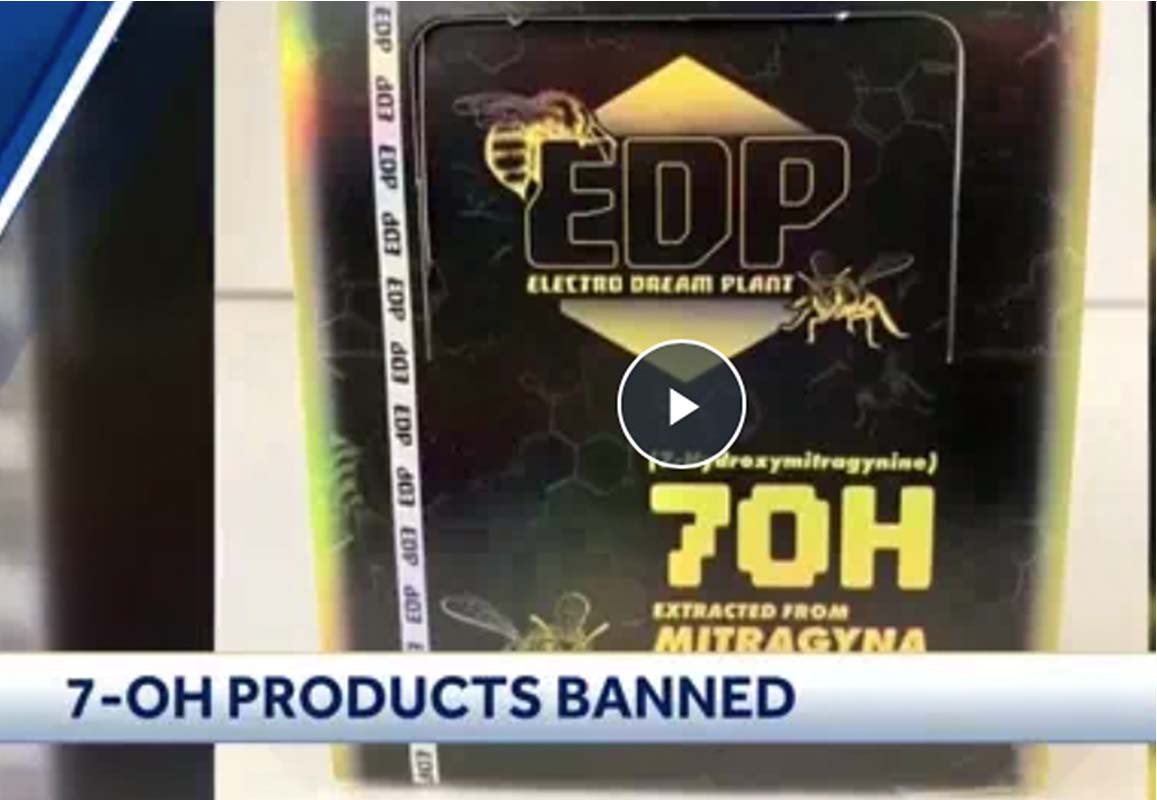
Florida Attorney General James Uthmeier has announced an emergency rule making 7-hydroxymitragynine, also known as 7-OH, a Schedule I controlled substance. This means it is now illegal to sell, possess, or distribute the compound in the state.
“We are taking emergency action now, because we see immediate danger,” Uthmeier said on Wednesday.
He added that the decision follows reports of increased emergency room visits and health incidents involving 7-OH, particularly among people under 25.
Found in products like drinks and gummies sold in gas stations, Uthmeier called the substance a dangerous opioid with a high potential for abuse. The new classification allows law enforcement to remove it from shelves immediately.
Dr. John Dyben with the Hanley Foundation said 7-OH is a compound in the kratom plant that the brain treats like any other opioid. While it naturally makes up only a small percentage of the plant, Dyben said concentrated forms are more powerful than morphine and can be highly addictive.
He warns it is especially dangerous when marketed to teens in sweetened drinks or gummies that appear harmless.
“Young people’s brains are still developing, and introducing strong, mood-altering substances during this time can increase the risk of addiction and long-term damage,” Dyben said.
The change in classification means stores must pull affected products immediately. Mozart Moraes, a clerk at A1 Discount Beverage in Stuart, said they did just that.
“We heard it from our distributors and they told us that we have to take it off the shelf,” Moraes said. “It’s for the welfare of the people and for the good of the people. People are being affected by that.”
Experts say that while legal action is a critical step, prevention, education, and treatment are also necessary to fully address the dangers of 7-OH.