Lab-Made Drugs are Hurting Kids and Fueling For-Profit Addiction in American Communities
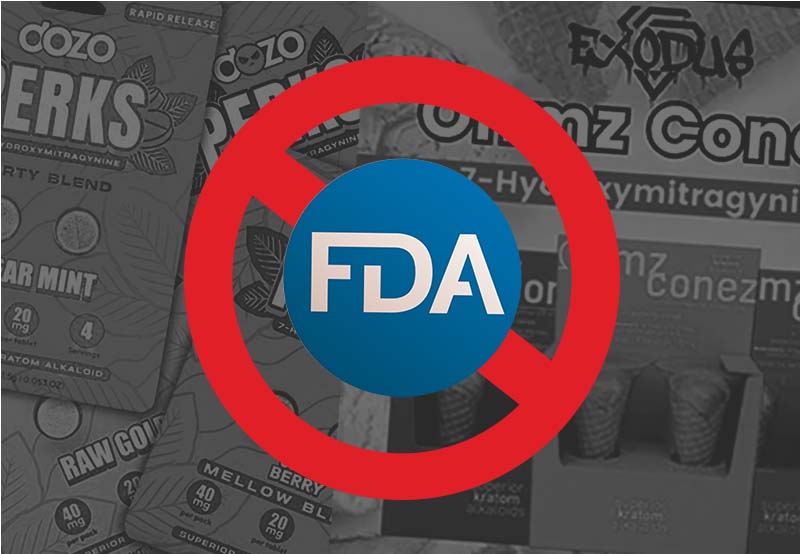
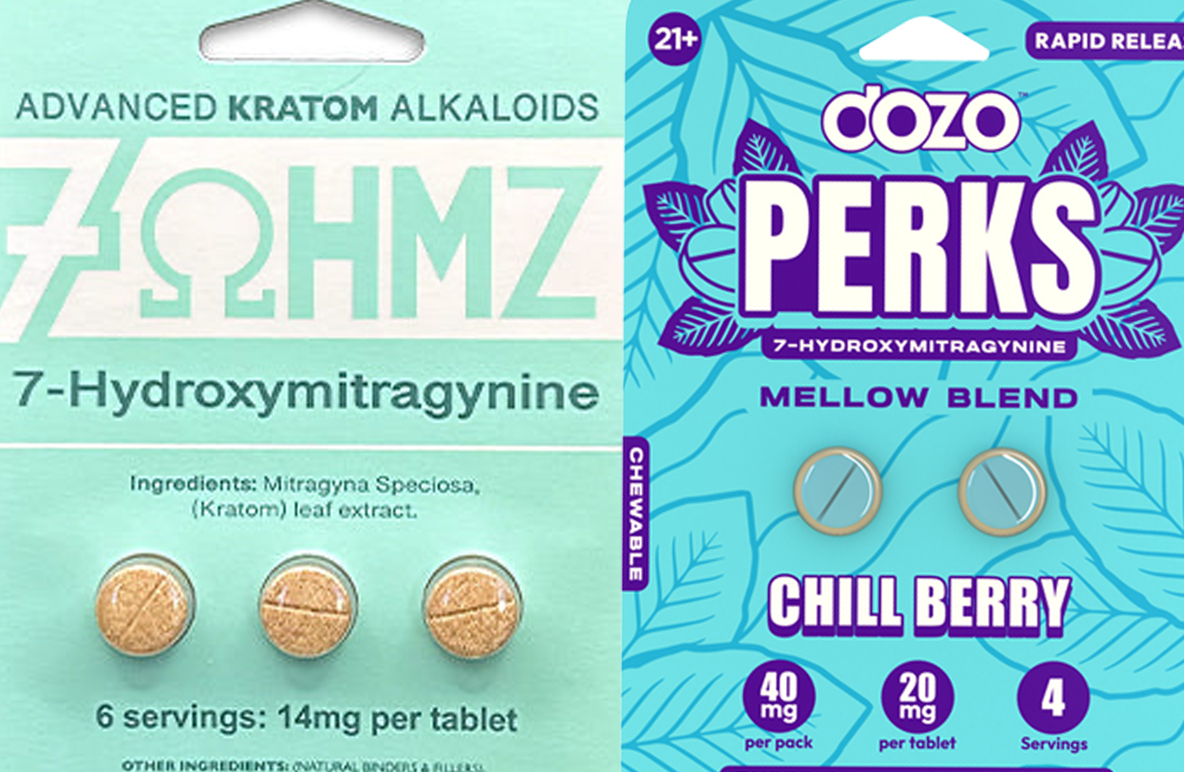
WASHINGTON, D.C. — The Stop Gas Station Heroin coalition today applauded the U.S. Food and Drug Administration (FDA) for recommending a scheduling action to control certain 7-OH (7-hydroxymitragynine) opioid products under the Controlled Substances Act (CSA).
7-OH is a chemical compound that occurs naturally in only trace amounts in the kratom leaf. Yet, the 7-OH products being sold in gas stations, smoke shops, and convenience stores across the country are not natural. Instead, they are the result of bad actors isolating that trace compound from the leaf and supercharging it into an addictive drug up to 30 times more potent than morphine.
This recommendation marks a major milestone in the federal government’s effort to curb the rise of Gas Station Heroin — an umbrella term for harmful substances that include high dose mitragynine isolates, 7-hydroxymitragynine isolates, tianeptine, nitrous oxide, and intoxicating hemp compounds — and prevent the next wave of the opioid epidemic.
“This FDA action is a tremendous step toward ending the Gas Station Heroin crisis that is robbing everyday Americans of their health,” said Dr. Nicole Avena, a Stop Gas Station Heroin Board Member and Associate Professor of Neuroscience, Mount Sinai School of Medicine. “By moving to schedule 7-OH, the FDA has taken bold action to protect consumers from dangerous synthetic opioids.”
The FDA made it clear to distinguish that its action is targeted at concentrated 7-OH products and not at the natural kratom leaf, which has been used safely for centuries and remains outside the scope of this recommendation.
“This is a huge win for science, common sense, and consumers,” said Dr. Avena. “The FDA has drawn a clear line: 7-OH is an unapproved, dangerous opioid — not a dietary supplement. We now urge the DEA to act quickly to adopt the FDA’s recommendation and ensure 7-OH is scheduled without delay.”
As the Drug Enforcement Administration (DEA) reviews the FDA’s recommendation, the coalition urges swift scheduling of 7-OH to protect families and communities across the country. Only then can we finally end the scourge of Gas Station Heroin in American communities.
A popular harmful substance can be found on many store shelves, but that soon won’t be true in Delaware because it’s now illegal to sell in the First State.
Here’s what you need to know.
What is House Bill 21?
House Bill 21 was introduced on Dec. 19 by Rep. Kimberly Williams, D-Stanton, and seeks to ban the sale of tianeptine in Delaware by identifying it as a Schedule I controlled substance.
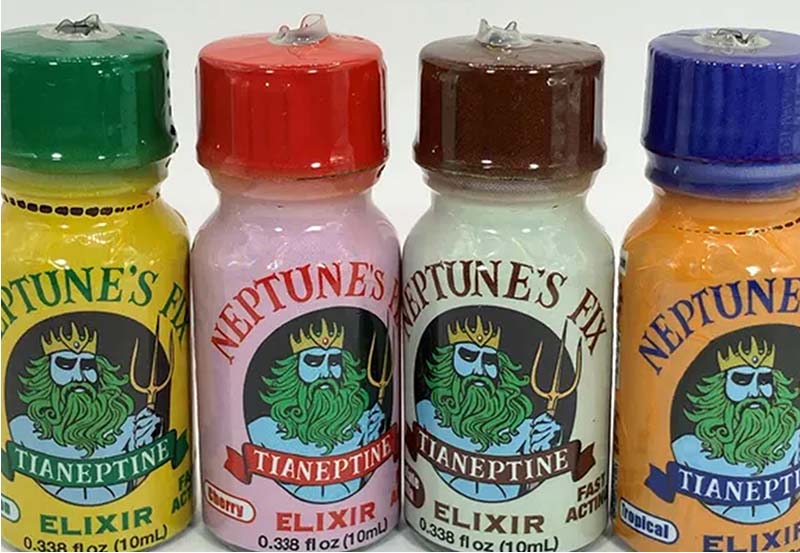
Tianeptine, known as “gas station heroin” for its easy accessibility at local gas stations, is marketed as Coaxil or Stablon and is prescribed in some Latin American, Asian and European countries to treat depression and anxiety, according to the U.S. Food and Drug Administration.
In the United States, tianeptine is not approved for medical use. The FDA classifies the drug as a substance that does not meet the statutory definition of a dietary ingredient and brands it as an unsafe food additive.
Tianeptine is also known as:
Tianeptine sulfate
Tianeptine sodium powder
Tianaa
Tianna Green
Tianna Red
Tianna white
ZaZa
Neptune’s Fix
Pegasus
Neptune’s Elixir
The FDA reports that tianeptine has been sold in-store and online, typically in tablet or powder form.
Is tianeptine safe to use?
The FDA does not approve Tianeptine for any medical use. It is linked to serious health risks and even death, despite being illegally sold with the claim that it will treat mental illnesses and opioid use disorder, improve brain function, ease pain, or help other conditions.
While some countries have approved tianeptine use, others have restricted how it is dispensed and prescribed or revised product labels to warn of the possible side effects and addiction risk.
The FDA reports that unwanted effects of and bad reactions to tianeptine are increasing, noting that poison control center cases involving tianeptine exposure have increased nationwide. The number of total cases jumped from 11 cases between 2000 and 2013 to 151 cases in 2020.
“People seeking to treat their ailments sometimes mistake products as being safe because it’s easily available, whether online or even at gas stations,” the FDA said. “But availability is no indication of effectiveness or safety.”
From 2000 to 2017, 217 tianeptine exposures were documented, with 75 reported in the South, 54 in the West, 47 in the Midwest and 41 in the Northeast, according to the Centers for Disease Control and Prevention.
The demographic most impacted by tianeptine exposure was 21- to 41-year-olds, followed by those between the ages of 41 and 60, those under 20 years old and those above 61 years old.
The CDC reports that clinical effects of tianeptine abuse and withdrawal can mimic opioid toxicity and withdrawal, with neurologic, cardiovascular and gastrointestinal signs and symptoms possible.
Other effects of tianeptine exposure include:
High blood pressure
Drowsiness
Confusion
Coma
Cellulitis
Fever
Miosis
Urinary retention
Kidney failure
Acidosis
Muscle weakness
Rigidity
Delusions
People with a history of opioid use disorder or dependence may be at an increased risk of abusing tianeptine, especially if used with other drugs like antidepressants and anti-anxiety medicines, the FDA said.
According to the FDA, tianeptine is not generally recognized as safe, does not qualify as a dietary ingredient, and is not an approved food additive; therefore, it is considered adulterated under the Federal Food, Drug, and Cosmetic Act.
The FDA previously stated that it issued warning letters to companies illegally marketing tianeptine products as dietary supplements and unapproved drugs and issued import alerts to stop tianeptine shipments at U.S. borders.
Several U.S. states have taken action against the drug through executive orders. Tianeptine is banned in Alabama, Florida, Georgia, Indiana, Kentucky, Michigan, Mississippi, Ohio and Tennessee.
Delaware just joined that list.
Delaware’s ban on tianeptine is official
HB 21 passed in the House on March 20 and in the Senate on June 30, the last day of the legislative session.
Gov. Matt Meyer signed the bill into law on the afternoon of July 21 at the Carvel Government Building in Wilmington, along with several other bills related to healthcare and public health.
The bill is effective immediately and makes tianeptine illegal to sell, possess or distribute in Delaware. Senate Amendment 1, which was introduced and passed by the Senate on June 30, was added to the bill to “ensure that no civil or criminal penalties are imposed” on someone for possessing a small quantity of tianeptine. HB 21’s goal is to remove the harmful substance from shelves, not to punish individuals for purchasing it.
Sen. Stephanie Hansen, a Democrat in the 10th district, is another sponsor of the bill and stated at the bill signing that she wanted to support HB 187 due to its already visible impact in Delaware and Pennsylvania.
Although she didn’t catch tianeptine products in her district when she visited a handful of stores, she said “it just means that we were able to get some of it off the shelves preemptively.”
When asked how the tianeptine ban and removal of current stock from local shelves would be enforced, Hansen said the plan is still being developed.
“Delaware Department of Health and Social Services is actually the entity that will be in charge of enforcing. We’re gonna find out with the new director if this is something that they would be interested in checking,” she said. “Other than that, I could see it being complaint-driven, unless we have some sense as to where it is here in Delaware.” Meyer added that residents can help by checking for tianeptine products when they visit stores and reporting any they spot.
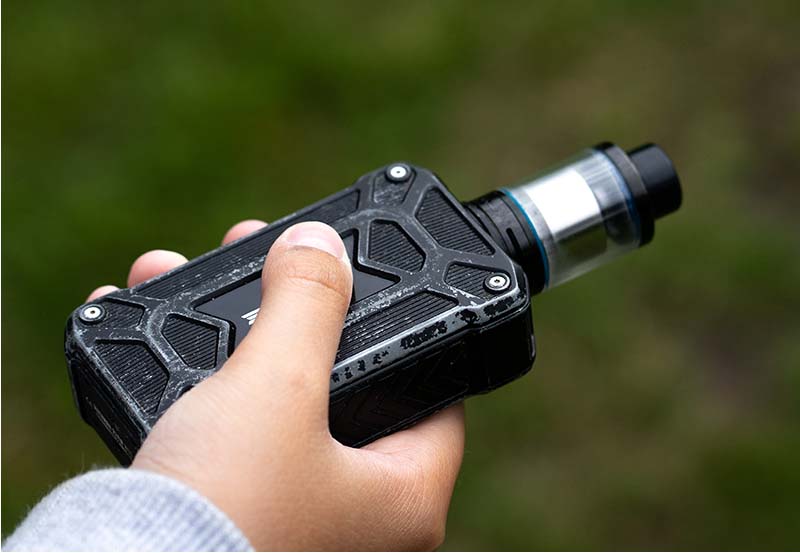
Throughout my more than four decades in law enforcement — from street patrols to federal investigations — I’ve confronted every threat to public safety you can name: armed gangs, illicit narcotics, transnational cartels. Yet the stealth and reach of today’s illicit vape trade is just as concerning. These devices masquerade as innocent consumer products, slipping past regulators and landing in the hands of our children.
That’s why I applaud the National Sheriffs’ Association for taking a stand. Their recent resolution condemning the trafficking and sale of illicit vape products sends a powerful message: America’s sheriffs are not only aware of this threat but united in their readiness to dismantle it.
Make no mistake, this isn’t a debate over an adult’s right to choose a legal tobacco alternative. We’re witnessing a rapidly expanding black market — overwhelmingly fueled by overseas manufacturers, particularly in China — pushing unregulated, chemically altered vape devices into our neighborhoods, schools and playgrounds.
And now, Mexican drug cartels have seized on this trend, employing their established smuggling routes and money-laundering networks to move these products into the United States. Groups like the Sinaloa Cartel and the Jalisco New Generation Cartel are taking advantage of less-scrutinized cargo lanes, blending illicit vape shipments with their traditional drug loads to diversify revenue while evading law enforcement scrutiny.
Cartels push illicit vapes into the U.S.
Consider Louisiana’s recent Operation Vape Out. Over four weeks, the Office of Alcohol and Tobacco Control, State Police, Homeland Security Investigations and local partners executed coordinated raids. The haul was staggering: ten arrests, more than $1 million in counterfeit products, and tens of thousands of dangerous items seized. Among them were 34,000 unregulated vape pens and pods, 16,000 CBD edibles and pre-rolled cigarettes, 6,500 canisters of nitrous oxide, and over 1,800 doses of Schedule I narcotics — including psilocybin and tianeptine, often sold as “gas station heroin.”
Even more alarming, these goods were being peddled in smoke shops only blocks from schools, wrapped in candy-flavored packaging designed to entice young buyers.
Louisiana is far from alone. From coast to coast, illicit vape shipments — carefully concealed in legitimate cargo — evade detection at our ports and highways. Some devices are so cleverly designed they resemble ordinary office supplies or children’s toys, making them all but invisible until it’s too late. Mexican cartels exploit every weakness in our border security, routing pallets of e-liquids and vaping devices through remote crossings and using bribery or intimidation to slip shipments past customs officers.
Sheriffs call for federal action on vape threat
This is not a random assortment of bad actors; it’s a sophisticated supply chain engineered to exploit every gap in our enforcement. If we hope to protect our communities, our response must be equally strategic and comprehensive.
First, we must strengthen collaboration across all levels of government. Local sheriffs and police cannot shoulder this burden alone. Customs and Border Protection must intensify inspections of inbound shipments, deploying advanced screening technology at both major and secondary ports of entry. The Food and Drug Administration and the Department of Homeland Security must prioritize illicit vape interdiction, sharing intelligence and resources with state and local partners. And Congress must allocate sustained funding for operations like Vape Out, transforming them from sporadic successes into the new baseline.
Second, we must recognize this as a national security concern. When foreign manufacturers and Mexican cartels flood our markets with addictive, unregulated substances — substances landing kids in emergency rooms and financing violent criminal networks — we are not merely confronting a public health issue; we are defending the very safety of our streets.
History offers a roadmap. We’ve faced synthetic drug surges before — from crack cocaine in the 1980s to meth in the 1990s and, more recently, fentanyl — and we’ve proven capable of decimating those pipelines. A decisive, unified federal response shut down those threats; it can do so again.
We cannot allow another generation of Americans to fall prey to this insidious market. The enemy’s supply lines do not run through distant deserts or jungle trails — they flow in shipping containers from overseas, through cartel-controlled corridors, and end up on store shelves disguised as innocuous vape products.
It’s time for a coordinated crackdown: tougher inspections at the ports, enhanced interagency enforcement, and accountability for every actor in this illicit network. Only then will we close the loopholes that enable this crisis and safeguard our communities from the next wave of deception.
The Food and Drug Administration is taking a closer look at kratom extracts and preparing to ask Congress for expanded authority to shut down illegal vaping imports, according to the agency’s head.
A new public health threat is gripping America, and it’s being called the fourth wave of the opioid epidemic. What’s driving this crisis? It’s not prescriptions, heroin, or fentanyl — it’s foreign lab-made drugs. And you would be shocked to find out how easy it is to get your hands on this stuff.
In a recent interview on Newsmax, David White, Professor and Head of the Department of Pharmacy Practice at the University of Connecticut, and Matthew Lowe, Executive Director of Stop Gas Station Heroin, share with the American people how these synthetic substances are illegally imported, illegally marketed, and illegally sold across the United States.
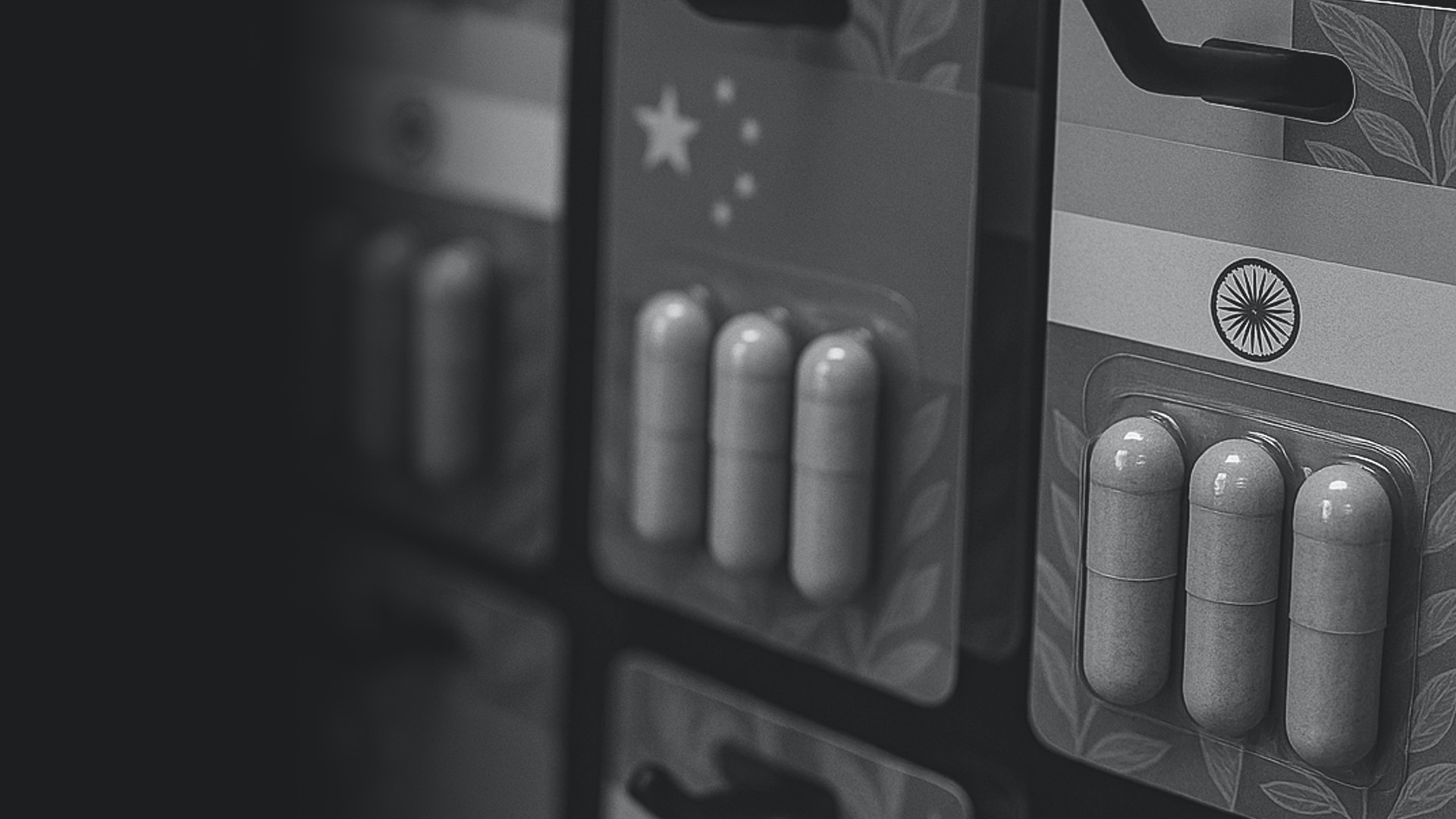
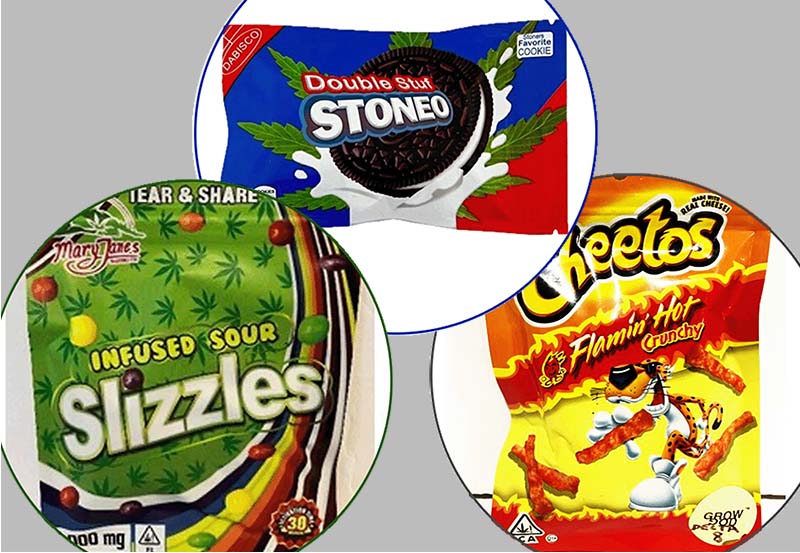
While Gas Station Heroin products are disguised as copycat snacks, knockoff prescription opioids, all-natural supplements, and other novelty items, make no mistake: They are not safe. Dangerous, unapproved drugs are taking over America — available at gas stations, convenience stores, and smoke shops near you.
Watch to this segment and JOIN our fight to STOP GAS STATION HEROIN.
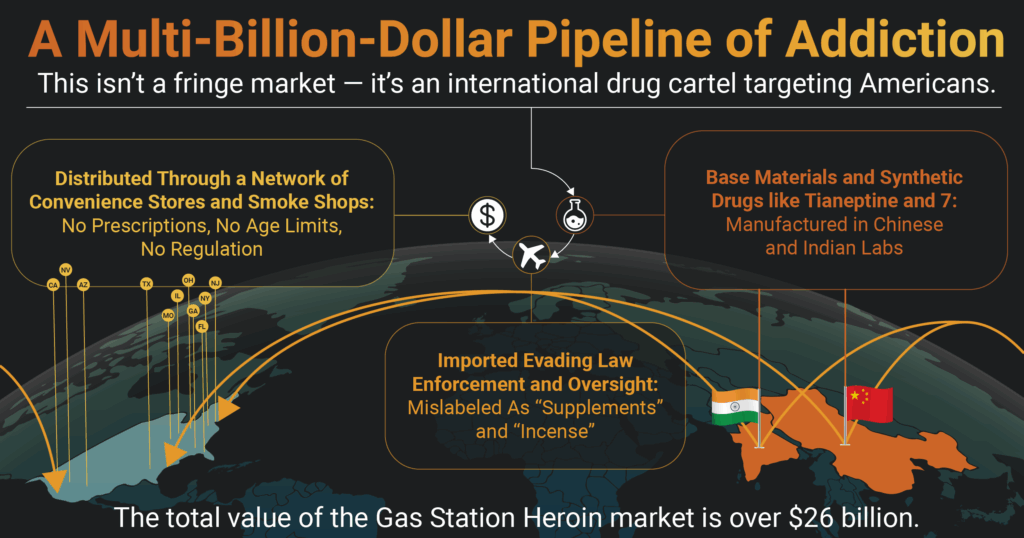
The total value of the Gas Station Heroin market exceeds $26 billion. The market involves international manufacturing in Chinese and Indian labs, with substances distributed through unregulated convenience stores and smoke shops across the U.S. Using false labeling as “supplements” and “incense,” traffickers evade law enforcement and oversight.
The Food and Drug Administration and the Federal Trade Commission have warned five companies for illegally selling copycat food products containing Delta-8 THC in violation of the Federal Food, Drug and Cosmetic Act (FD&C Act). The products could easily be mistaken for traditional foods like chips, candies and snacks from popular brands, the agencies said.
Companies that received warning letters were Hippy Mood, Levittown, Pennsylvania; Earthly Hemps, Cape Coral, Florida; Shamrockshrooms.com; Mary Jane’s Bakery Co. LLC, Miami, Florida; and Life Leaf Medical CBD Center, Murrells Inlet, South Carolina. The FDA also issued a warning letter independently to the company GrowGod LLC, San Bernadino, California, for the same FD&C Act violations. All six of those companies no longer have such products in stock, the agencies said.
“Companies that market and sell edible THC products that are easily mistaken for snacks and candy are not only acting illegally, but they are also putting the health of young children at risk,” said Samuel Levine, director of the FTC’s Bureau of Consumer Protection. “Those that prioritize profits in front of children’s safety are at serious risk of legal action.”
The companies have 15 working days to respond to the FDA on how they plan to address the violations, or they risk legal action.
Delta-8 is a substance found in the cannabis sativa plant, of which marijuana and hemp are two varieties, the agency said. Delta-8 THC products have not been evaluated or approved by the FDA for safe use and may be marketed in ways that put the public health at risk, the FDA said.
The FDA also warned consumers in June 2022 about consumption of food products containing Delta-8 THC. The agency said it received more than 300 adverse event reports from Jan. 1, 2021, through Dec. 31, 2023, related to children and adults who consumed edible products containing Delta-8.
In case you’ve missed it, this summer has seen Congress make some major progress on a key legislative priority of the Stop Gas Station Heroin coalition: closing the unregulated, intoxicating hemp loophole.
The hemp loophole refers to a legal gray area created by the 2018 Farm Bill that fuels the spread of Gas Station Heroin in American communities. More specifically, it has to do with intoxicating hemp products such as Delta-8, Delta-9, Delta-10, and HHC.
The government’s current definition of hemp permits the manufacture and distribution of products containing non-Delta-9 intoxicating cannabinoids — including Delta-8, Delta-10, and HHC — as long as their Delta-9 content remains below the statutory threshold.
The narrow standards of the 2018 Farm Bill have resulted in a regulatory loophole exploited by manufacturers and retailers of intoxicating, hemp-derived products sold in convenience stores, gas stations, and smoke shops across the country.
In other words, the legislation restores the original intent of the 2018 Farm Bill — which was never meant to create a loophole for synthetic THC — while protecting legitimate hemp farmers from rogue actors flooding the market with lab-made Gas Station Heroin.
If signed into law, the funding bill would mark the most consequential federal intervention in cannabinoid policy in years, preempting and superseding a growing patchwork of state laws by establishing a uniform federal prohibition on synthetically manipulated and intoxicating hemp derivatives.
We here at Stop Gas Station Heroin will be tracking the bill’s progress closely over the coming months, so stay tuned.
Officials in a Detroit metro community are concerned about the risks of widely available substances commonly referred to as “gas station heroin.”
The city of Warren might soon regulate the sale and possession of the substances.
Kratom comes from the leaves of a southeast Asian tree. It’s used primarily as a stimulant, in low doses.
But companies are also making a synthetic product called 7-OH that concentrates one of the chemicals in kratom. In high doses, 7-OH can cause similar sedative effects to opioids.
Dr. Mark Bicket is Co-Director of the Overdose Prevention Engagement Network, and Director of Pain and Opioid Research at the University of Michigan.
In an email to Michigan Public, Bicket said some people use the substances to manage pain, anxiety, or opioid withdrawal, but the FDA has not approved them for any medical use. Moreover, the agency found dangerous levels of heavy metals like lead and nickel in many kratom products sold in the U.S.
“The FDA considers both substances to have no proven benefits and serious potential risks. Kratom has been linked to serious health risks, including seizures and liver damage in adults and neonatal withdrawal syndrome in newborns.”
The Food and Drug Administration recently sent warning letters to companies that make 7-OH, saying it’s illegal to market drugs and food products that contain it.
Warren’s City Council has asked the city’s attorney to draft an ordinance that could regulate kratom sales and possession. Such regulations have been adopted in 16 states, not including Michigan.
Research Conducted on Dogs Shows Serious Adverse Effects at Doses Far Lower Than Commonly Sold Amounts.
WASHINGTON, D.C. — The Stop Gas Station Heroin coalition is sounding the alarm after reviewing a new animal study commissioned by CBD American Shaman, a Missouri-based company that sells “7” products in stores across the country.
The study, which tested the effects of increasing doses of two lab-made substances — “7” (7-hydroxymitragynine) and “Pseudo” (mitragynine pseudoindoxyl) — was funded to support the company’s bid for FDA drug approval. But the research methods and results raise serious red flags for consumers of Gas Station Heroin.
Second, the study suggests these drugs may be far more dangerous than their labels imply: CBD American Shaman tells consumers that 7.5 milligrams, or half a tablet, is a safe serving. But based on the study’s own data, that amount may be more than 25 times higher than what would be considered safe for human consumption.
Using standard FDA methods to translate the effects seen in dogs to humans, Stop Gas Station Heroin estimates that just 0.3 milligrams could cross the threshold for risk. Yet many consumers of these products are unknowingly ingesting significantly greater amounts. Moreover, the study points to clear risks of addiction and dependency with misuse.
“These are not natural products. They are chemically altered, unapproved pharmaceutical drugs being marketed as herbal remedies,” said Matthew Lowe, Executive Director of Stop Gas Station Heroin. “You can’t just slap a ‘dietary supplement’ label on a drug and skip the safety trials.”
CBD American Shaman and other purveyors of Gas Station Heroin have marketed “7” and “Pseudo” products as supplements formulated to cure, treat, and mitigate disease — namely, chronic pain and opioid use disorder — even though the products have never been approved by the FDA for any medical use.
If companies like CBD American Shaman want to sell these substances legally, they must demonstrate the drugs’ safety and effectiveness through a rigorous series of clinical trials and submit the results to the FDA as part of the New Drug Approval process. Until then, Stop Gas Station Heroin is calling for the immediate removal of these synthetic street drugs from store shelves.