

News
Read the latest news and developments about the Gas Station Heroin crisis.
-
7-OH vs. Natural Kratom: What You Need to Know
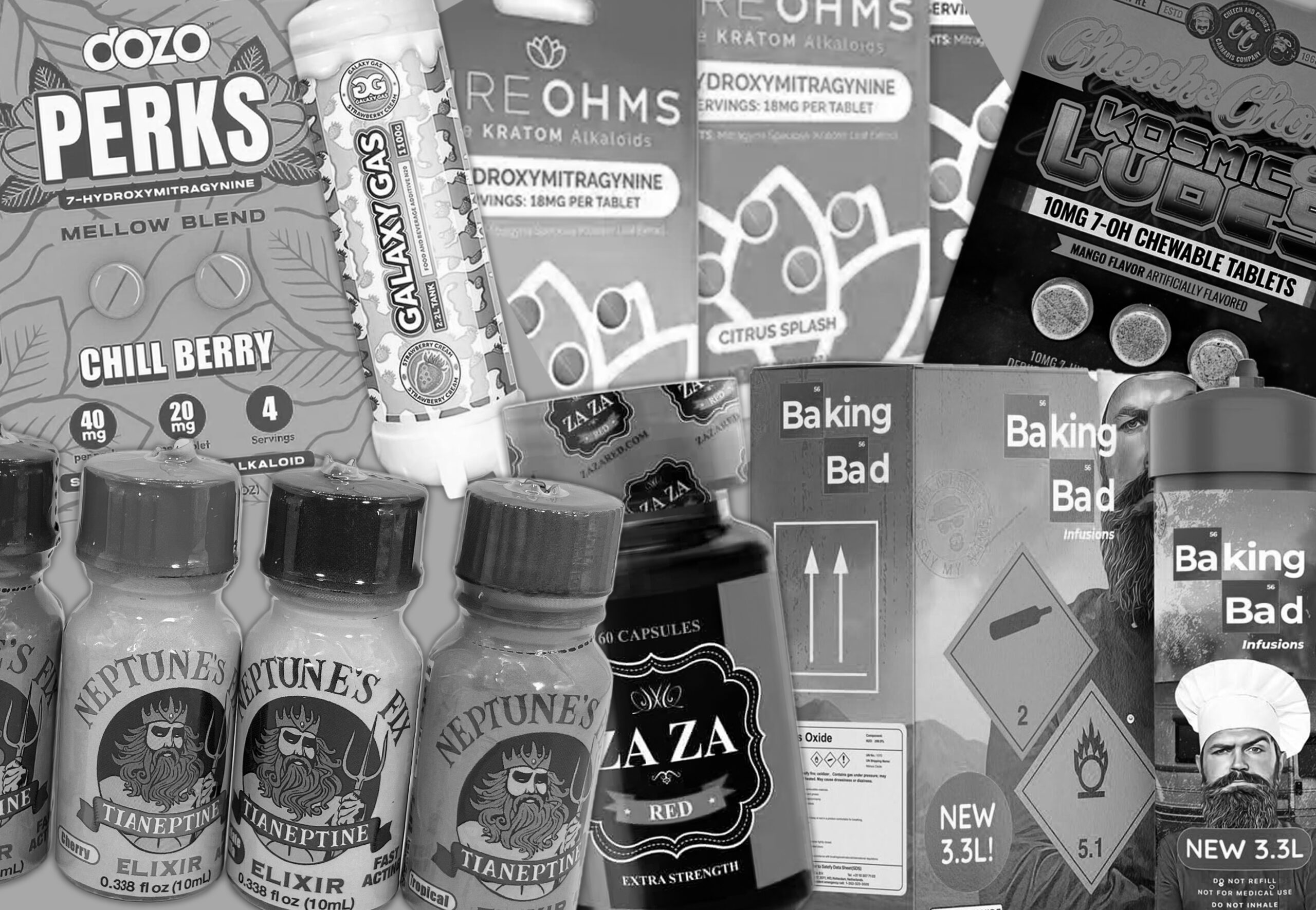
Read more: 7-OH vs. Natural Kratom: What You Need to KnowAmerica is facing a new threat in the opioid epidemic.Dangerous synthetic drugs, disguised as kratom, are spreading in communities across the country. Unlike natural kratom, these products contain 7-hydroxymitragynine (7-OH) — a lab-made, highly concentrated compound up to 13x stronger than morphine. Illegally imported. Illegally sold. Illegally marketed. They are not natural botanicals. They are…
-
Opinion: The FDA Sides With Science on Concentrated Synthetic 7-OH Opioid Products, and Kids Are Safer for It
Read more: Opinion: The FDA Sides With Science on Concentrated Synthetic 7-OH Opioid Products, and Kids Are Safer for ItThis op-ed argues that science-based action protects children from misleadingly marketed, highly potent concentrated synthetic 7-OH opioid products while reaffirming the legitimacy of all-natural, whole-plant kratom.
-
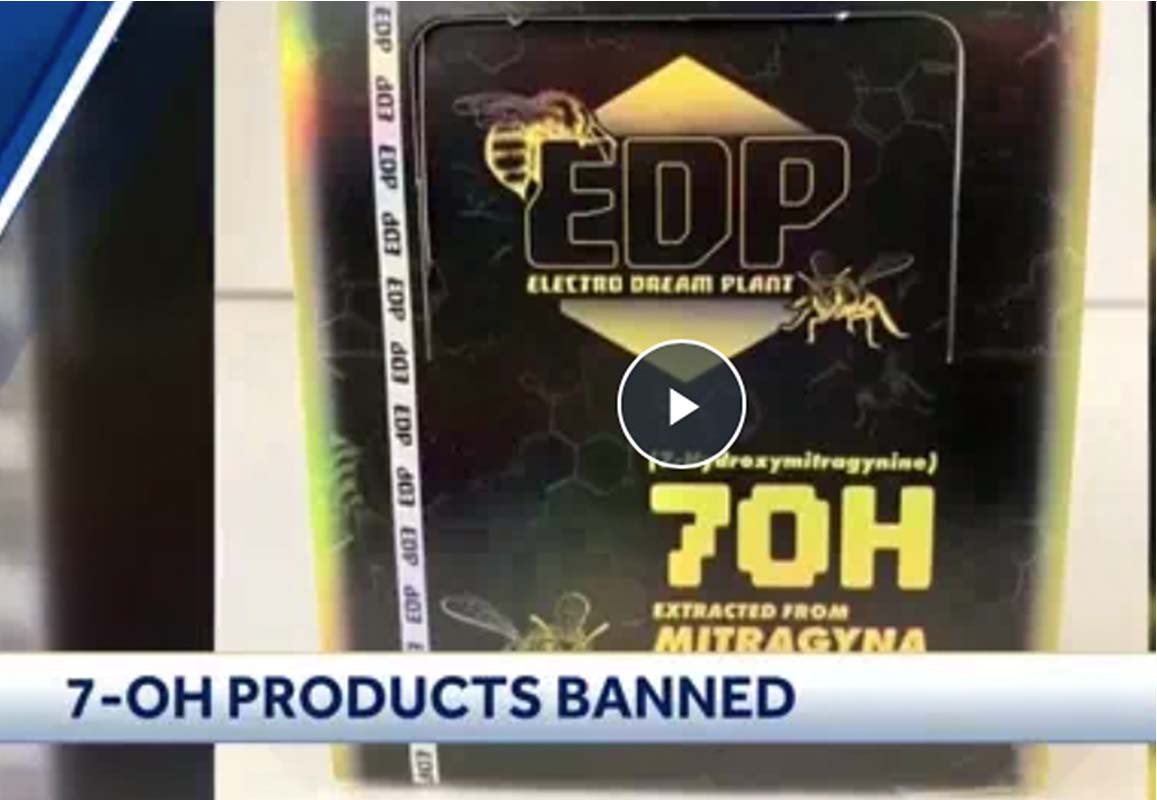
Local Experts Warn of Dangers as Florida Classifies Concentrated Synthetic 7-OH Opioid Products
Read more: Local Experts Warn of Dangers as Florida Classifies Concentrated Synthetic 7-OH Opioid ProductsExperts cautioned that concentrated synthetic 7-OH opioid products are stronger than morphine, highly addictive, and especially dangerous for teens — emphasizing that enforcement must be paired with comprehensive education and treatment efforts.
-
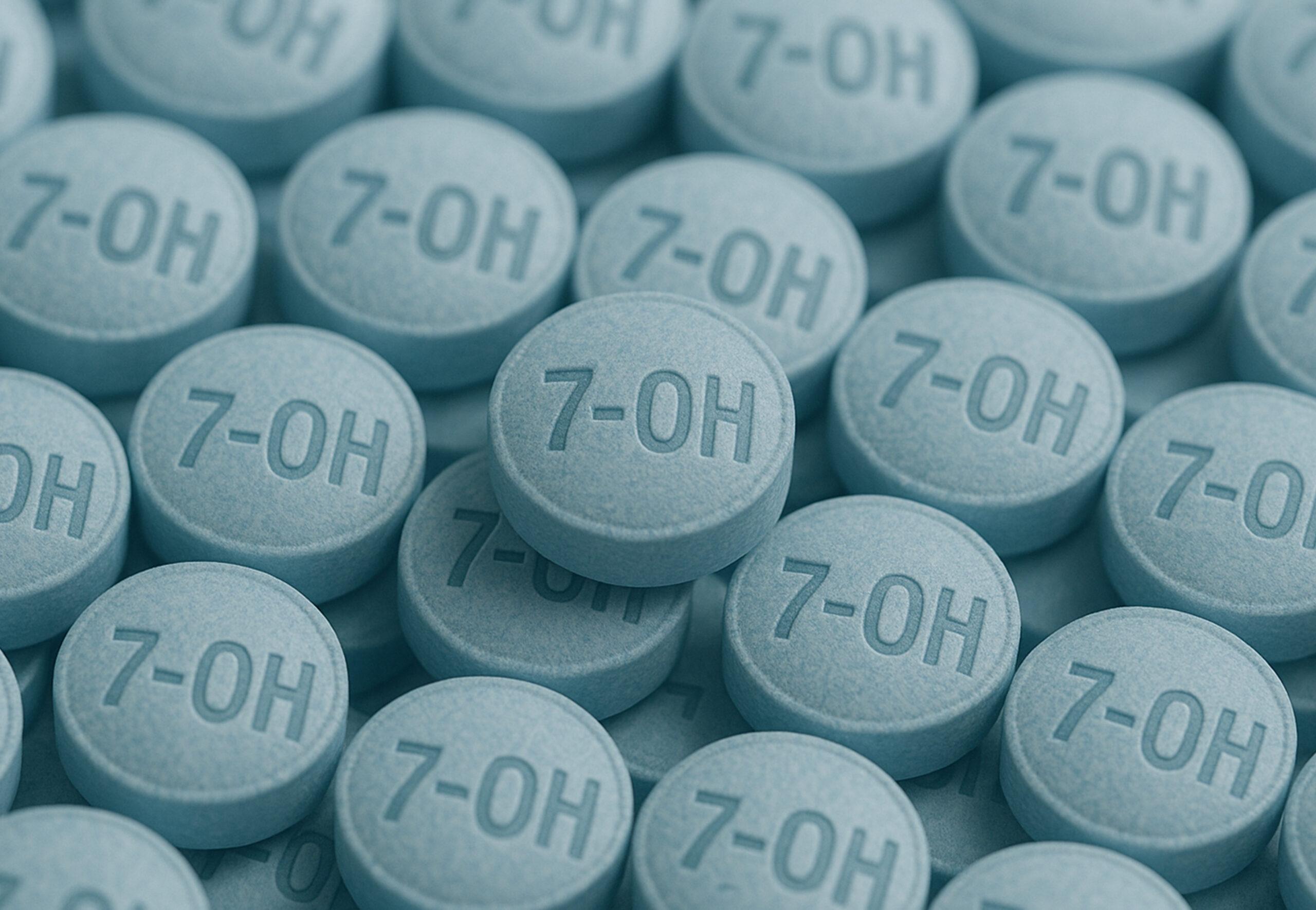
Florida Vape Shops Yank Concentrated Synthetic 7-OH Opioid Products After Statewide Ban
Read more: Florida Vape Shops Yank Concentrated Synthetic 7-OH Opioid Products After Statewide BanAfter Florida’s emergency ban on concentrated synthetic 7-OH opioid products, local vape shop owners quickly pulled products from shelves amid warnings about addiction risks, unregulated potency, and child safety.
-
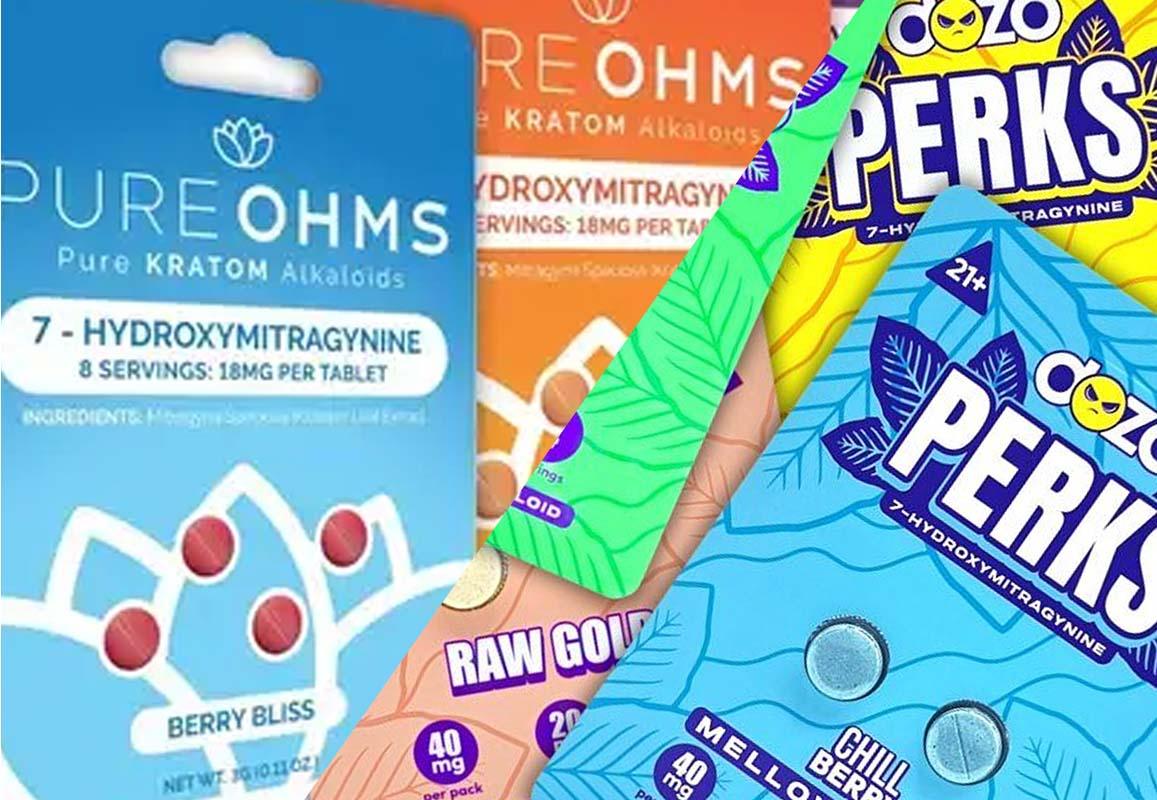
Florida Takes Emergency Action to Prohibit Concentrated Synthetic 7-OH Opioid Products
Read more: Florida Takes Emergency Action to Prohibit Concentrated Synthetic 7-OH Opioid ProductsFlorida Attorney General James Uthmeier issued an emergency rule banning the sale, possession, and distribution of concentrated synthetic 7-OH opioid products, citing their opioid-like potency, high risk of addiction, and growing presence in vape shops and gas stations.
-

Alliance for Natural Health: FDA Gets Tough on Adulterated Herbals — Are Other Botanicals Safe?
Read more: Alliance for Natural Health: FDA Gets Tough on Adulterated Herbals — Are Other Botanicals Safe?Michael Ames-Sikora, Rob Verkerk, Ph.D., and Jonathan Emord, Esq. Natural kratom, a botanical derived from the leaves of the Mitragyna speciosa tree native to Southeast Asia, has long been used traditionally as a gentle stimulant and mood enhancer. Whether chewed, brewed as tea, or consumed as a water-based extract, kratom has offered centuries of safe…
-
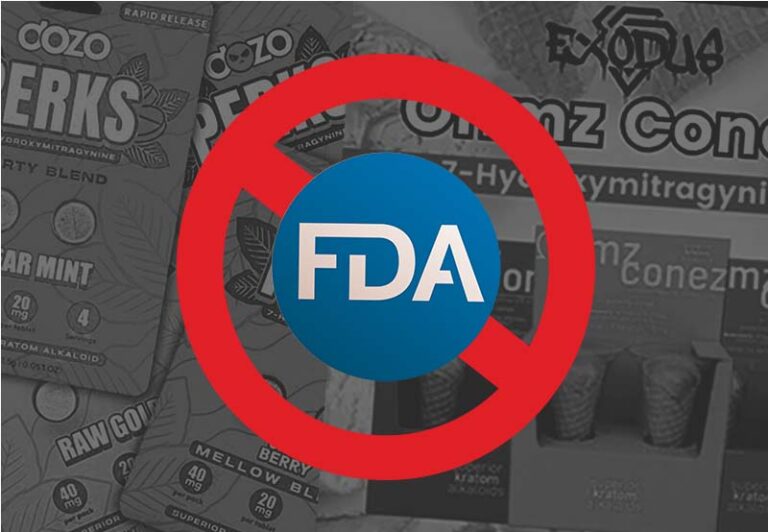
Nutrition Industry Executive: FDA Takes Steps to Restrict 7-OH Opioid Products
Read more: Nutrition Industry Executive: FDA Takes Steps to Restrict 7-OH Opioid ProductsShari Barbanel On July 29, the U.S. Food and Drug Administration (FDA) took “bold steps” to protect American consumers from dangerous illegal opioids. The agency recommended a scheduling action to control certain 7-hydroxymitragyine (7-OH) products under the Controlled Substances Act. According to FDA, 7-OH is increasingly recognized for numerous health and safety issues because of…
-

Axios: Kratom in Tampa Bay kava bars — How it differs from FDA crackdown
Read more: Axios: Kratom in Tampa Bay kava bars — How it differs from FDA crackdownKathryn Varn and Carly Mallenbaum When federal health regulators last week announced plans to control a compound found in the kratom plant, they made one big distinction: “We’re not targeting the kratom leaf or ground up kratom,” Food and Drug Administration commissioner Marty Makary told reporters. “We are targeting the concentrated synthetic byproduct that is an opioid.” Why…
-
FDA Report: Synthetic 7-OH Products Pose Severe Opioid Risks
Read more: FDA Report: Synthetic 7-OH Products Pose Severe Opioid RisksAgency Finds 7-OH Products Lack Safety Data, Carry High Abuse Potential, and Risk Respiratory Failure WASHINGTON, D.C. — The Stop Gas Station Heroin coalition today applauded the U.S. Food and Drug Administration’s release of a new report, 7-Hydroxymitragynine (7-OH): An Assessment of the Scientific Data and Toxicological Concerns Around an Emerging Opioid Threat. Its findings…
-
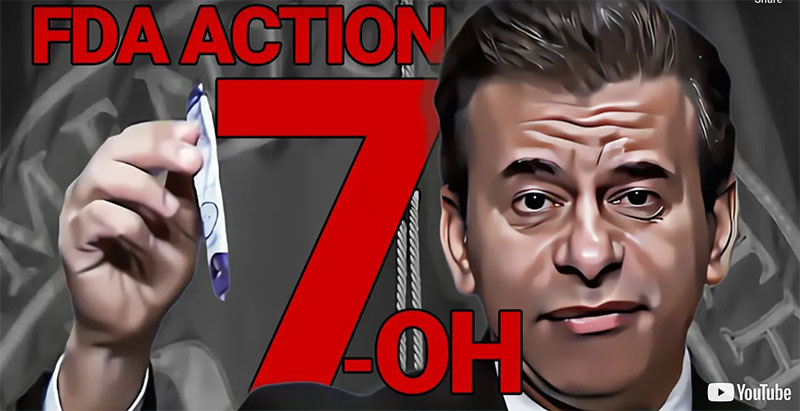
America’s Top Public Health Officials: the Synthetic 7-OH Threat
Read more: America’s Top Public Health Officials: the Synthetic 7-OH ThreatAmerica’s top public health officials have made clear that natural kratom leaf products are not the real threat. Now, we must focus on what’s truly hurting our kids and communities: Synthetic 7-OH opioid products. It’s time to Stop Gas Station Heroin. See the Concentrated 7-OH Opioid Products Database